

The Historical Thinking Project was designed to foster a new approach to history education — with the potential to shift how teachers teach and how students learn, in line with recent international research on history learning. It revolves around the proposition that historical thinking — like scientific thinking in science instruction and mathematical thinking in math instruction — is central to history instruction and that students should become more competent as historical thinkers as they progress through their schooling.
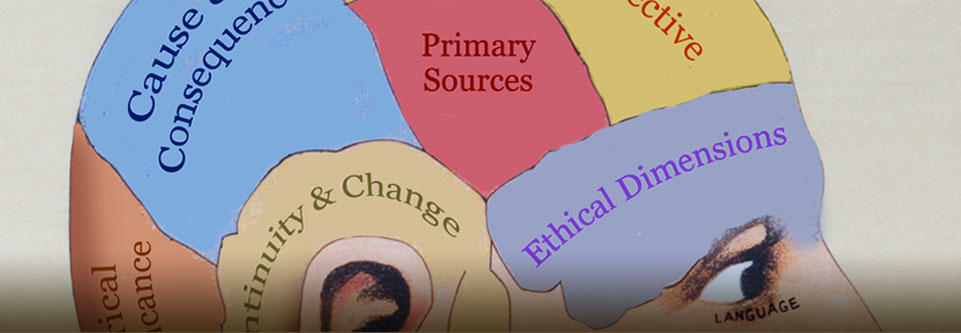
The project developed a framework of six historical thinking concepts to provide a way of communicating complex ideas to a broad and varied audience of potential users.
Active from 2006 to 2014, the Historical Thinking Project provided social studies departments, local boards, provincial ministries of education, publishers and public history agencies with models of more meaningful history teaching, assessment, and learning for their students and audiences. As the 2014 Annual Report demonstrates, they met a very receptive audience.
From April 2014 onward, it will operate on "pilot light" mode, in the event that new teams of educators are ready to start cooking.
Summer Institute 2016
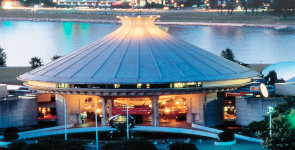
Venue: Museum of Vancouver
The Summer Institute is designed for teachers, graduate students, curriculum developers, professional development leaders and museum educators who want to enhance their expertise at designing and teaching history courses and programs with explicit attention to historical thinking.
Vancouver, BC
11-16 July 2016
More information here.
